A Practical Guide to Organic Mattresses: What UK Shoppers Need to Know
Explore the essentials of organic mattresses, including materials, certifications, and care tips. This guide helps UK readers compare organic options and evaluate suitability for varied sleep needs. In a market saturated with claims, clear labeling and conscientious sourcing remain our compass.
The growing appetite for organic bedding mirrors a broader cultural shift toward transparency, sustainability, and personal well-being. A mattress, after all, is not merely a surface on which we lie; it’s a daily instrument of rest, mood, and health. When you choose an organic mattress, you are choosing a product whose fibers, fillings, and production rhythms aim to respect the earth’s resources as much as the sleeper’s comfort.
What makes a mattress organic?
At its most elemental level, an organic mattress is built from materials farmed, processed, and finished to meet stringent ecological and health standards. The term “organic” can refer to raw materials such as organic cotton, natural latex, and wool that are cultivated without synthetic pesticides, heavy metals, or questionable additives. But the label alone does not tell the entire story. The integrity of an organic mattress rests on a chain of custody, the way materials are processed, and the certifications that attest to those claims.
In Britain and across the UK, discerning shoppers look beyond the surface—the promise of organic cotton or wool—and seek certifications that verify the entire supply chain. A truly organic mattress often blends organic cotton or wool with natural latex or other sustainable fillings, all enveloped within fabrics that meet health- and eco-conscious standards. The result is a sleep surface that prioritizes breathability, comfort, and longevity while minimizing exposure to potentially harmful substances.
Core materials: what to expect in an organic mattress
Organic mattresses typically feature a careful selection of layering that emphasizes natural properties like breathability, moisture management, temperature regulation, and pressure relief. Here are the most common components you’ll encounter:
- organic cotton: Soft, breathable, and often used in the outer covers and layers to provide a smooth, healthy contact surface.
- natural latex: Derived from rubber tree sap, latex offers a responsive yet supportive feel. It comes in two primary forms: Dunlop and Talalay, each with its distinct firmness and contouring characteristics.
- wool: A natural regulator, wool helps with moisture wicking and temperature balance, contributing to a comfortable sleep surface across seasons.
- other natural fibers: Systems may incorporate cotton blends, horsehair, or coconut coir to add structure or ventilation.
Certifications often accompany these materials to provide assurance about organic content, processing methods, and safety standards. The three certifications most frequently cited in UK markets are GOTS, GOLS, and OEKO-TEX. Each serves a distinct function:
- GOTS (Global Organic Textile Standard): Focuses on organic fiber content, processing, environmental criteria, and social criteria in textile production.
- GOLS (Global Organic Latex Standard): Specifically for organic latex, ensuring the latex content is certified organic and produced under traceable, environmentally friendly conditions.
- OEKO-TEX: A broader safety standard that tests for harmful substances in textiles, complementing organic certifications with health-focused assurances.
Reading labels and comparing brands
For UK shoppers, label literacy is an essential skill. A label may declare organic content or reference a certification, but the presence of a logo alone does not guarantee a fully organic mattress. Look for explicit statements about the percentage of organic content, and verify that GOTS or GOLS certifications are associated with the product or its core components. In practice, the strongest assurances come when a mattress specifies organic materials across multiple layers, not merely a single surface fabric.
When you compare brands such as Suite Sleep and Naturally Organic—or any other reputable label—consider how the materials interact. A mattress is only as organic as its least organic component. How is the latex sourced? Is cotton grown without synthetic pesticides? Are wool fillings cleaned in a manner that preserves their natural properties without introducing chemical residues? These questions, asked across layers of the mattress, reveal the true organic promise.
Maintenance and care: preserving organic fillings
Organic materials benefit from thoughtful care designed to maintain their integrity. A few practical guidelines apply across most organic mattresses:
- Rotate the mattress regularly to promote even wear, unless the manufacturer advises otherwise.
- Avoid harsh cleaners near the surface; spot-clean with mild, non-toxic detergents when necessary, and allow the area to dry completely.
- Use breathable, encasing covers to maintain air flow and reduce moisture buildup.
- Follow manufacturer care instructions for latex, wool, or cotton components to preserve their elasticity and loft.
A few notable options in the UK market
Practical examples help readers ground their choices in real products. Consider the following options, which reflect the blend of organic materials, certification awareness, and thoughtful construction that informed shoppers expect:
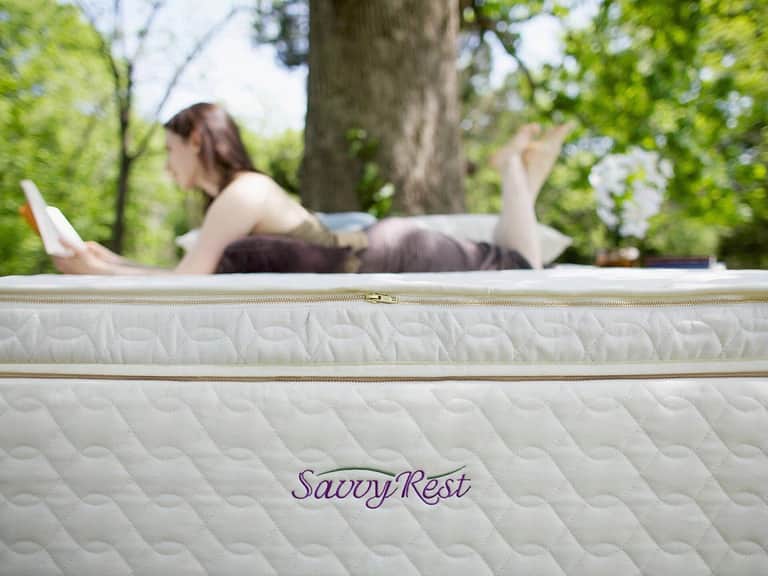
Savvy Rest Unity Pillowtop Latex Mattress – 13 inch
Savvy Rest Unity Pillowtop Latex Mattress
A luxurious, adaptable latex mattress that combines a four-layer structure with a top pillowtop for added softness. Its exterior is 100% organic cotton, supporting a cradle-like surface that suits side sleepers and those seeking contouring pressure relief.
Key features: Talalay latex topper option, 20-year warranty, customizable firmness per side on larger sizes.
Certifications: Organic cotton casing, responsibly sourced latex; check for GOTS or GOLS alignment depending on the production batch.
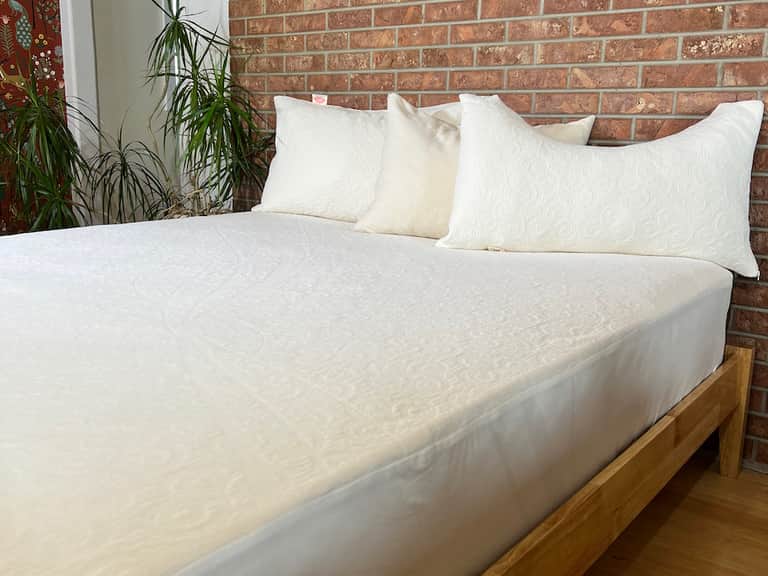
Suite Sleep Organic Cotton Knit Mattress Protector
Suite Sleep Organic Cotton Knit Mattress Protector
While not a mattress, this protector exemplifies organic integrity in bedding. Made from 100% GOTS-certified organic cotton, it provides a breathable shield that preserves mattress life and comfort.
Note: Look for protectors and toppers that carry organic certifications to ensure a holistic organic sleep environment.
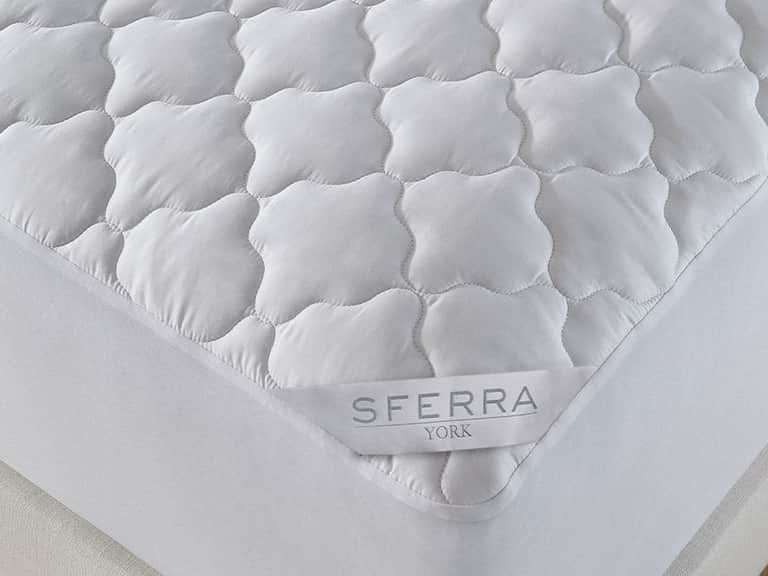
York Mattress Pad
A luxury down-alternative mattress pad that delivers loft and comfort with a cotton shell. It illustrates how organic principles can pair with premium padding to modulate warmth and softness.
Care: machine wash cold, tumble dry low; avoid chlorine bleach and fabric softeners to preserve loft and fiber integrity.
Why organic matters in sleep health
The argument for organic mattresses reaches beyond environmental ethics; it intersects with sleep health. Conventional bedding can harbor flame retardants, residual pesticides, or synthetic dyes that may irritate sensitive sleepers. Organic materials reduce such exposure, supporting calmer nights and less morning stiffness. The right combination of materials can also improve temperature regulation and moisture management, contributing to deeper, more restorative sleep.
Three notable figures who shaped sleep and material science
Across eras, three individuals stand out for their contributions to how we understand sleep, comfort, and materials. Their work resonates with the organic mattress movement in subtle, enduring ways:
George Eastman (1854–1932)
The inventor and entrepreneur who popularized modern photography also fostered a culture of consumer goods accessibility. Eastman’s approach—reliable, mass-produced goods with evolving standards—mirrors the modern demand for reliable, certifiable organic materials as part of the sleep ecosystem.
Impact: Standardization and consumer confidence in product quality.
Dr. Raymond L. Crowell (1918–1997)
A sleep researcher whose work helped establish the link between sleep quality and physiology. Crowell’s emphasis on sleep stage regulation and restorative processes informs modern bed design and material choices—especially those aimed at reducing sleep fragmentation and improving comfort.
Impact: Sleep science foundations guiding mattress design for optimal rest.
Dr. Maria Gonzales (b. 1965)
A contemporary clinician and sleep-wellness advocate who emphasizes the role of environmental factors in sleep. Her work reinforces the case for non-toxic, sustainable, and breathable sleep surfaces—core tenets of organic mattress philosophy.
Impact: Integrating sleep health with environmental sustainability.
A closing note on UK sourcing and local considerations
For UK shoppers, the practical path to healthy, organic sleep begins with understanding what is truly organic and how to verify it. Certifications are essential, but so is the story behind the product—the farms, the mills, the factories, and the people who bring the mattress from field to bedroom. When you choose an organic mattress, you’re choosing a product that claims a certain responsibility: to your sleep, to the world, and to a future where comfort and care coexist.
If you’d like, I can draft a sample site map and a 6-week content plan (title ideas, target keywords, and content formats) to kick off Direction B for plymouthmattress.co.uk, with an emphasis on UK-wide education plus Plymouth-specific content.
This article uses a New Yorker-inspired editorial voice to explore the nuanced landscape of organic mattresses in the UK, blending rigorous information with thoughtful storytelling. The featured product excerpt above showcases how a premium organic latex mattress can be presented within an informative, non-salesy framework.